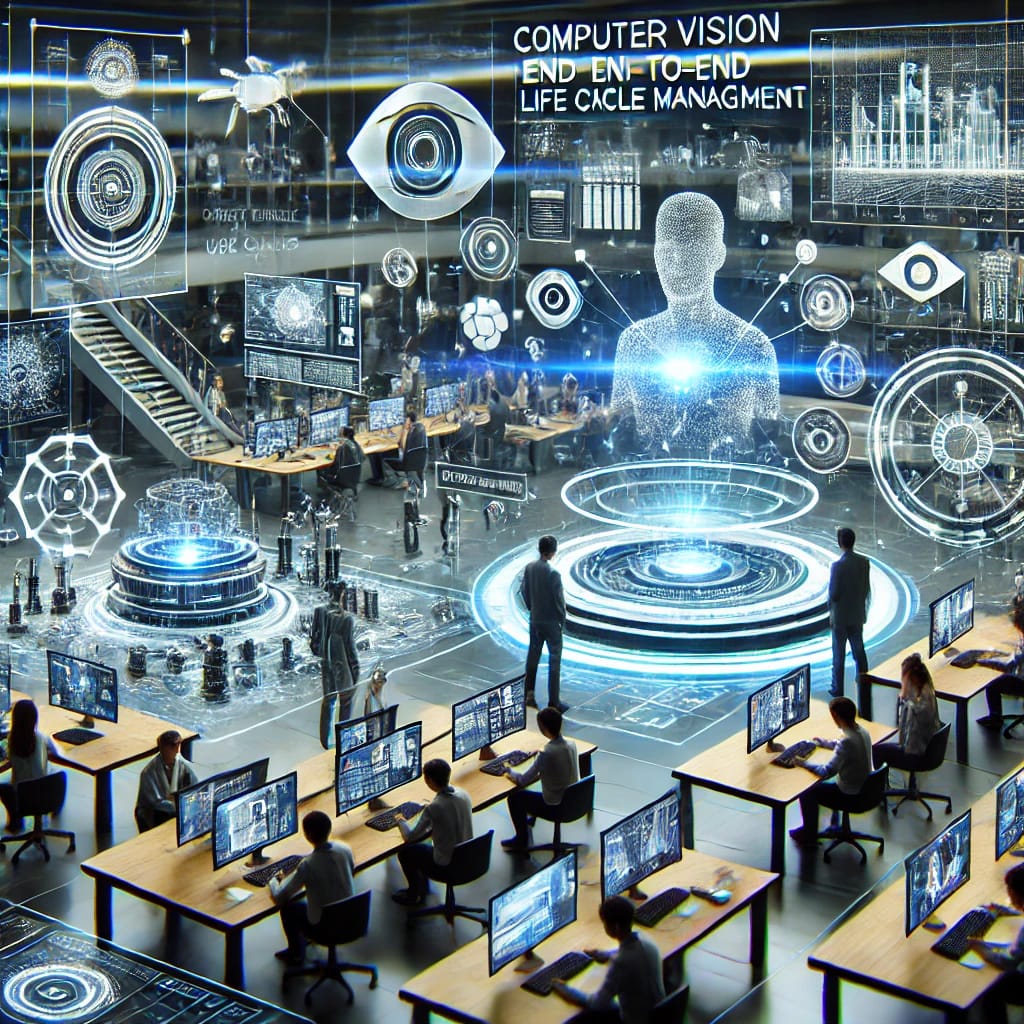
Program Overview
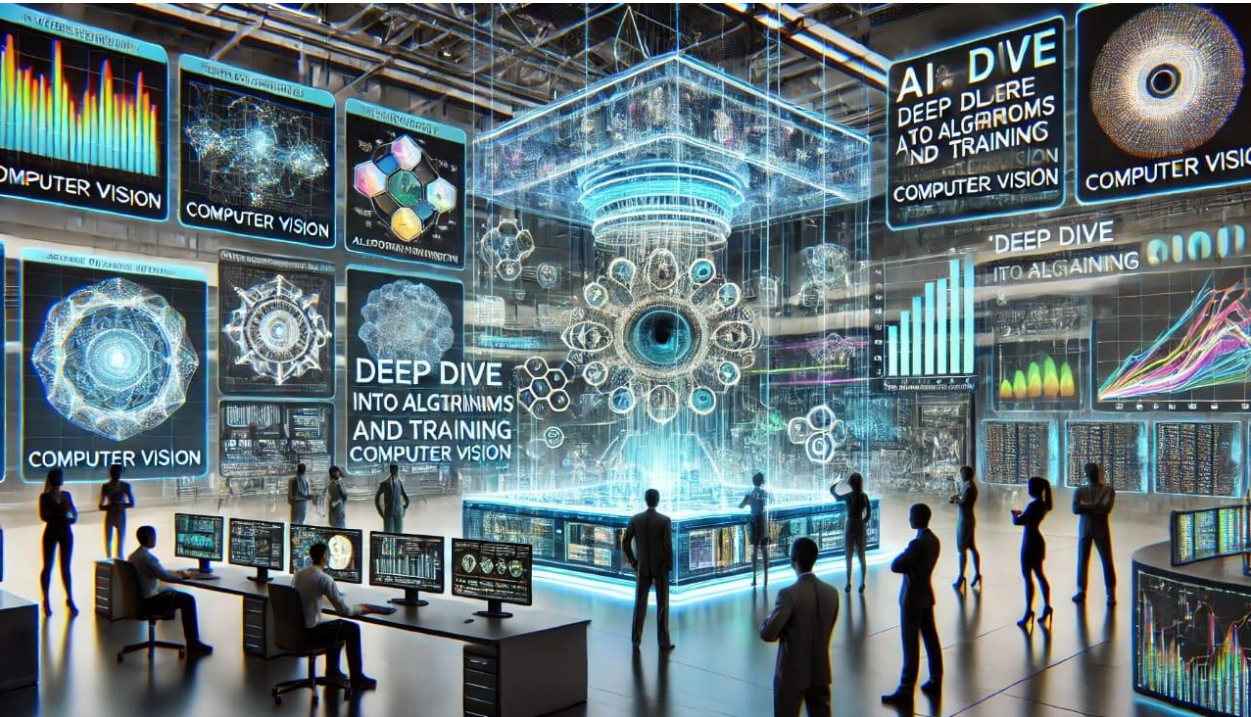
Exclusive AI Operating System:
A user-friendly platform that allows students to create powerful AI solutions effortlessly, enabling entire classes of 30 students to use an integrated setup.
Build Your Own AI:
Students and professionals build their own AI from scratch using the OS and understand the process.
Planning AI Business Transformation:
Students and professionals learn about overall AI existence, the future of enterprise, and how to transition between current and future workplace.
Building Your AI Venture:
Opportunities, key skills and areas for success.
Business Area of Expertise
Creation of Artificial Intelligence and Advanced Technology Solutions for all sectors, and education related to the same across schools, colleges, and professionals.
Team: One World
Lead India teams & International team led by Stanford University Masters Alumni with vast experience in AI, contributing at global forums, and pioneering innovations at country level.
GPMS Transportal Integrated with AI Courses
Duration: 3 Months to 1 Year for schools, professionals, and college students.
Course Areas:
Target Clientele
Schools, Universities, Corporates and Government entities.
Certification and Accreditation
Certification from partner universities and bodies including Skill Development Council, and more.
Program Structure & Learning Approach
Structure
Total Duration > 36 Hours
Weekly > 6 Hours
Assessments > Weekly + Final Capstone
Learning Approach
Industry aligned AI concepts
Oil & Gas specific use cases
Minimal coding, maximum application
Practical, decision focused learning
Capstone based on real operations
Added Value for Economy and Learning
The technology will make them self-reliant in the field of AI development and make their youth more successful, by allowing them to work on global cutting-edge AI through our unique innovated AI lab that has created a learning and building precedent.
Solutions Provided:
- Computer Vision Solutions
- Interaction AI Solutions for all sectors
Course Structure & Delivery
Course Structure
Duration: 3 Months to 1 Year
26-30 Lectures per Section
Hands-on AI Lab Sessions
Live Project Based Learning
Industry Certification
Delivery Method
Exclusive AI Operating System
Build Your Own AI from Scratch
Practical Demonstrations
Real-world Applications
Production-level AI Building
Applications and Potential Solutions
Education & Skill
- Globally Exclusive Applied Real AI Lab capable of allowing all fields of students including school to build real AI Solutions.
Health & Agriculture
- Predictive, preventive, and personalized medicine and decision guidance pioneered using AI Brain Technology through our AI Med Research Lab.
Space & Defense
- Award-winning Spatial AI Globe pioneered for the first time in India, and unique Defense AI Lab - 10x Research Speed & Outcome.
Path Breaking Projects
- Students across our centres globally at iconic recognizable institutions have started innovating and creating the future of the world they want to live in.
With a curriculum focused on accelerating achieving the SDGs with AI, students go beyond theory, mechanical learning of robots, motors, and actuators, and beyond coding of Python. They understand the inner workings and create applications that are deployed across real-world scenarios.
They work end to end on live projects aligned with the course, and create outcomes that compete even with the best engineers. The secret to achieving this is the AI Lab.
Even Students at school have been able to create Real AI.
Hands-on learning with the OS to enable students/professionals to train their own model, allowing them to have confidence in the AI process.
Course Outcomes:
Learn how to apply AI for various fields, building AI end to end at production level, using the operating system and certification.
GPMS Transportal AI Training Programs & Voice-enabled AI Analytics Dashboards
53 Ministries
- Ministry of Electronics and Information Technology (MeitY)
- Ministry of Rural Development (MoRD)
- Ministry of Agriculture and Farmers Welfare (MoAFW)
- Ministry of Environment, Forest and Climate Change (MoEFCC)
- Ministry of Science and Technology (MST)
- Ministry of Chemicals and Fertilizers (MoCF)
- Ministry of External Affairs (MEA)
- Ministry of Skill Development and Entrepreneurship (MSDE)
- Ministry of Civil Aviation (MoCA)
- Ministry of Finance (MoF)
- Ministry of Social Justice and Empowerment (MoSJE)
- Ministry of Fisheries, Animal Husbandry and Dairying (MoFAHD)
- Ministry of Statistics and Programme Implementation (MoSPI)
- Ministry of Commerce and Industry (MoCI)
- Ministry of Food Processing Industries (MoFPI)
- Ministry of Communications (MoC)
- Ministry of Health and Family Welfare (MoHFW)
- Ministry of Textiles (MoT)
- Ministry of Consumer Affairs, Food and Public Distribution (MoCAFP)
- Ministry of Heavy Industries (MoHI)
- Ministry of Home Affairs (MHA)
- Ministry of Tribal Affairs (MoTA)
- Ministry of Corporate Affairs (MCA)
- Ministry of Housing and Urban Affairs (MoHUA)
- Ministry of Women and Child Development (MoWCD)
- Ministry of Information and Broadcasting (MIB)
- Ministry of Youth Affairs and Sports (MoYAS)
- Ministry of Defense (MoD)
- Ministry of Jal Shakti (MoJS)
- Ministry of Education (MoE)
- Ministry of Earth Sciences (MoES)
- Ministry of Railways (MoR)
- Ministry of Law and Justice (MoLJ)
- Ministry of Ports, Shipping and Waterways (MoPSW)
- Ministry of Planning (MoP)
- Ministry of Road Transport and Highways (MoRTH)
- Ministry of Petroleum and Natural Gas (MoPNG)
- Ministry of Panchayati Raj (MoPR)
1. Executive Summary
In an era where artificial intelligence is reshaping global economies, we propose a revolutionary Government-to-Citizen (G2C) program to democratize AI education. This initiative will position our State at the forefront of digital transformation while ensuring inclusive growth through citizen empowerment.
The program introduces a three-tiered learning approach, combining foundational digital literacy with advanced AI applications. Through strategic partnerships with industry leaders, academia, and global institutions, we aim to create a sustainable ecosystem that transforms citizens into active participants in the AI economy.
Key Impact Metrics (5-Year Projection):
1 Million
Citizens trained in AI fundamentals
100,000
Advanced AI practitioners developed
50,000
New jobs created in AI-related fields
5,000
AI-enabled small businesses established
25%
Increase in digital economy participation
2. Background and Context
Broad Trends
- Leading nations are investing heavily in AI education
- Global AI market to reach plus 200 billion USD by 2025
- A large percentage of the workforce will require digital upskilling
- A large percentage of jobs susceptible to AI-driven transformation
- A large percentage of businesses planning AI adoption
- Only a miniscule percentage of the workforce is currently AI literate
- AI will drive productivity improvement
- Create a host of entrepreneurship opportunities
- Reducing urban-rural digital divide
- Enabling women's participation in technology sectors
- Creating opportunities for differently-abled citizens
- Even supporting senior citizens' digital integration
Vision 2030
- "To create an AI-empowered society where every citizen has the opportunity to participate in and benefit from the digital economy."
Mission Statement
- "To deliver world-class AI education through an inclusive, scalable, and sustainable learning ecosystem that transforms citizens into digital leaders."
3. Core Values
- Inclusivity: Ensuring access across social, economic, and geographic barriers
- Excellence: Maintaining global standards in education delivery
- Innovation: Continuously evolving with technological advancement
- Sustainability: Creating lasting impact through self-sustaining models
- Ethical AI: Embedding responsible AI practices in all aspects
4. Program Objectives
Strategic Goals (work in progress template)
1. Digital Workforce Development
- Train 1 million citizens in basic AI literacy
- Develop 50,000 advanced AI practitioners
- Create 25,000 AI trainers and mentors
- Establish 500 AI learning centres state-wide
2. Economic Empowerment
- Facilitate 50,000 new jobs in AI-related fields
- Support creation of 500 AI-enabled startups
- Enable 25% increase in average income for program graduates
- Achieve 70% placement rate for advanced program participants
3. Infrastructure Development
- Establish AI labs in educational institutions
- Create 100 specialized AI research centres
- Develop cloud-based learning platform accessible to 100 million citizens
4. Ecosystem Development
- Partner with 100 global technology companies
- Collaborate with 50 international universities
- Engage 5,000 industry experts as mentors
- Create 100 industry-specific AI application frameworks
5. Strategic Approach
Four-Pillar Framework
Foundation Building
- Basic digital literacy
- Introduction to AI concepts
- Data literacy fundamentals
Skill Development
- Practical AI tools usage
- Industry-specific applications
- Hands-on projects
Career Preparation
- Job-ready portfolios
- Industry certifications
- Placement assistance
Continuous Learning
- Advanced specializations
- Industry updates
- Community engagement
6. Implementation Framework
1. Citizen Segmentation
2. Learning Paths
Basic Track
- Duration: 3 months
- Focus: AI literacy & foundations
- Target: General population
Intermediate Track
- Duration: 6 months
- Focus: Practical AI applications
- Target: Job seekers
Advanced Track
- Duration: 12 months
- Focus: Specialized AI skills
- Target: Career advancement
7. Curriculum Framework
Core Modules
AI Fundamentals
- Basic concepts and terminology
- AI ethics and responsibility
- Data basics and analytics
Practical Applications
- AI tools and platforms
- Industry-specific use cases
- Project work
Professional Skills
- Communication
- Problem-solving
- Team collaboration
Specialization Tracks
Healthcare AI
Financial Services AI
Manufacturing AI
Agricultural AI
Educational AI
Specialized Industry Tracks
Healthcare AI
- Medical imaging AI
- Patient care automation
- Healthcare analytics
- Clinical decision support
Financial Services AI
- Risk assessment AI
- Fraud detection
- Trading algorithms
- Customer analytics
Manufacturing AI
- Process automation
- Quality control AI
- Predictive maintenance
- Supply chain optimization
Agricultural AI
- Crop management AI
- Yield prediction
- Resource optimization
- Smart farming systems
Education AI
- Learning analytics
- Personalized learning
- Assessment automation
- Educational content optimization
Retail AI
- Customer analytics
- Inventory optimization
- Pricing algorithms
- Experience personalization
Public Sector AI
- Service automation
- Policy analytics
- Resource optimization
- Citizen engagement systems
Track Implementation Guidelines
Customization Framework
- Industry-specific modules
- Specialized tools
- Relevant case studies
- Expert mentorship
Assessment Adaptation
- Industry benchmarks
- Practical evaluations
- Sector-specific metrics
- Professional certification
Project Alignment
- Industry problems
- Real-world applications
- Professional networking
- Career advancement
Support Structure
- Industry mentors
- Professional networks
- Resource access
- Career guidance
8. Implementation Plan
Phase 1: Foundation
- Months 1-3
- Establish program office
- Develop core curriculum
- Build technology infrastructure
- Train initial instructors
Phase 2: Pilot
- Months 4-6
- Launch pilot program
- Test LMS
- Gather feedback
- Refine approach
Phase 3: Scale
- Months 7-12
- Full-scale rollout
- Multiple track delivery
- Industry partnerships
- Placement programs
9. Technology Infrastructure
Learning Management System
- Cloud-based platform
- Mobile-first approach
- Offline access (T-SAT)
- AI-powered personalization
Key Features
- Interactive modules
- Progress tracking
- Assessment system
- Certification management
- Community features
10. Governance Structure
Program Office (T-SAT)
- Executive Committee
- Academic Board
- Industry Advisory Council
- Implementation Team
Key Roles
- Program Director
- Curriculum Specialists
- Technology Lead
- Industry Liaison
- Training Coordinators
11. Resource Requirements
Human Resources
- Core team: 10 members
- Instructors: 100
- Support staff: 50
- Industry mentors: 200
Infrastructure
- Learning platform
- Training facilities
- Assessment centers
- Support systems
12. Risk Management
Technology Adoption
- User-friendly interface
- Technical support
- Offline access options
Quality Control
- Regular assessments
- Instructor training
- Content updates
Placement Challenges
- Industry partnerships
- Job readiness training
- Career counseling
13. Success Metrics
Enrollment Metrics
- Number of participants
- Completion rates
- Geographic coverage
Learning Outcomes
- Assessment scores
- Project completion
- Certification rates
Employment Impact
- Placement rates
- Salary improvements
- Career progression
14. Timeline and Milestones
Year 1 Quarters
- Q1: Program setup and infrastructure
- Q2: Pilot launch and testing
- Q3: Regional expansion
- Q4: Full-scale implementation
Strategic Marketing Proposal for Indian Centre for Social Transformation (Indian CST)
- Prepared For: Indian Centre for Social Transformation (Indian CST)
- By: Hon. Dr. Raja Seevan along with Digital Marketing and Media Agency
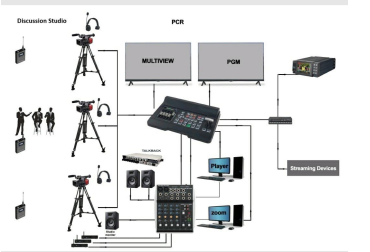
- Empowering Indian Citizens through AI Skills Development: A Program to Initiate India's Digital Transformation.
- Multiple verticals GPMS Transportal integrated with AI, Cyber Security
- Integrated online GPMS AI certification Courses
- Live Projects & Hands on Training program
1. Executive Summary (Marketing)
- This proposal outlines a comprehensive, multi-channel marketing strategy designed to amplify the reach and impact of Indian Centre for Social Transformation's (Indian CST) key initiatives. Mission is to connect Indian citizens from all tiers of society with the transformative potential of the Epashuhaat-eGopala platform, the universally accessible AI courses, and the industry-leading skill development workshops.
- Drawing upon our extensive experience in driving measurable growth for over 75 mission-driven organizations and our proven success in large-scale citizen outreach campaigns that have reached over 13 Crore citizens, we propose a phased, data-driven approach. This strategy blends high-impact public relations, strategic government collaborations, and targeted digital campaigns to engage a diverse national audience, with a strong focus on Tier 2 and Tier 3 cities.
- Our core objective is to create widespread awareness, drive mass adoption, and establish Indian CST's platforms as cornerstones of India's digital-first future, potentially as a White-labelled government service or a Prime Minister's Office (PMO) initiative. Will leverage Indian CST's in-house expertise for content creation, supported by our full creative and production support, ensuring authenticity and quality in all communications.
2. Strategic Framework: A Phased Approach
Implement a three-phased strategy to ensure sustainable growth and maximum impact.
Phase 1: Foundation & Brand Elevation
The initial phase will focus on creating a massive awareness wave by positioning Indian CST's initiatives as pivotal to national progress.
Government Integration & PR:
- Secure mentions and features in national programs like "Mann ki Baat" to reach a vast, dedicated audience.
- Collaborate with Doordarshan and other public broadcasters for dedicated segments and documentaries showcasing the impact of Indian CST's work.
- Initiate a robust Public Relations campaign targeting government bodies and officials to build strategic alliances and endorsements.
- Utilize official Government mail servers for direct outreach to public sector undertakings (PSUs), educational institutions, and government employees.
Digital Optimisation:
- Conduct a complete digital audit to enhance Indian CST's platforms for Search Engine Optimisation (SEO), mobile access, and multi-language support.
Offline & Corporate Outreach:
- Engage with audiences through traditional media like newspapers, focusing on vernacular press to penetrate Tier 2 and Tier 3 markets.
- Develop corporate branding packages and mailers for outreach to SMEs, PSUs, and NGOs, introducing them to Indian CST's platforms.
Phase 2: Engagement & Community Building
This phase will build on the initial awareness by educating target demographics and fostering a sense of community.
- Audience-Centric Workshops: Transition from general awareness to direct engagement through hands-on workshops tailored for specific audience crowds like farmers, students, and small business owners.
- Strategic Partnerships: Forge partnerships with tech leaders, academia, and global organisations to build credibility. This includes collaborating with schools, colleges, and NGOs to integrate Indian CST's AI courses and skill development programs into their curricula.
- Digital Engagement: Build a strong social media presence on platforms like LinkedIn, X, and YouTube to share success stories, testimonials, and educational content.
- TEDx-Style Conferences: Launch a series of regional and national conferences to showcase success stories from the platform. These events will feature Indian CST's subject matter experts, beneficiaries, and thought leaders to inspire a nationwide movement around digital transformation and skill development.
Phase 3: Scale & Expansion
The final phase will focus on maximizing user registrations and establishing a self-sustaining ecosystem.
- First-Mover Advantage: Leverage the initial success and government backing to solidify Indian CST's position as the leading platform for social transformation in India.
- AI Labs - Franchise Model:
- Develop a franchise model for "AI Labs" in collaboration with schools, colleges, and local community centers.
- Provide official branding, logos, and standardized kits to ensure a consistent and high-quality experience. This model will foster grassroots innovation and create a network of learning hubs.
- Viral Campaigns & Incentives:
- Launch award programs for schools and colleges to incentivize the adoption of AI courses, recognizing top-performing institutions and students.
- Develop shareable content and referral programs designed to "go viral" and organically grow the user base.
3. Platform-Specific Outreach Strategy
- A tailored approach will be used for each of Indian CST's core initiatives to maximize relevance and impact across different target audiences.
| Target Audience |
Epashuhaat-eGopala |
AI for All Courses |
Skill Development Workshops |
| Farmers & SMEs |
Focused outreach via Doordarshan, regional newspapers, and NGO partnerships. Workshops on platform usage. |
Introduction to AI in agriculture and business through vernacular content and AI Labs. |
Workshops on digital literacy, supply chain management, and modern business practices. |
| Schools & Colleges |
N/A |
Integration into curriculum, inter-school/college competitions, and award programs. Certificate of completion. |
Internships, job-oriented training, and certifications packaged for students. |
| NGOs & PSUs |
Partnerships for mass enrollment of beneficiaries and employees. Corporate outreach and mailer campaigns. |
Training programs for employees to enhance digital proficiency. |
Custom workshops to meet specific organizational skill gaps. |
4. Projected Reach & Platform Breakup
Our hybrid strategy is designed to engage a massive and diverse audience by balancing digital and traditional outreach. The following is a conservative estimate of the potential reach for each key platform within our strategic framework.
| Platform/Channel |
Type |
Target Audience |
Estimated Potential Reach |
| Mann ki Baat |
Broadcast (Radio/Digital) |
Mass Audience, Tier 2/3 Focus |
10-15 Crore+ listeners per episode |
| Doordarshan Network |
Broadcast (Television) |
Rural, Tier 2/3, Mass Audience |
Part of the 900 million TV viewership pool, with deep penetration in heartland India |
| Newspapers (Vernacular & National) |
Traditional (Print) |
Tier 1, 2, & 3 Readers, Farmers, SMEs |
Access to a total readership of over 400 million citizens |
| Social Media & Digital Ads |
Digital |
Youth, Professionals, Urban & Semi-Urban |
Targeted campaigns within India's 800 million+ internet user base |
| Search Engine Optimization (SEO) |
Digital |
High-Intent Users |
Capturing millions searching for agri-tech, AI courses, and skill development |
| Government Mail Servers |
Direct Outreach |
Govt. Employees, PSUs, Institutions |
Direct communication channel to several million targeted officials and employees |
| TEDx-Style Conferences |
Hybrid (Event/Digital) |
Thought Leaders, Youth, Professionals |
Thousands in-person (per event); millions through online video distribution |
| AI Labs & Workshops |
Grassroots (In-Person) |
Students, Farmers, Local Communities |
Direct, deep engagement scaling with each new center established |
5. Content Curation & Production
A collaborative content strategy will form the bedrock of our campaign.
- Indian CST's In-House Experts: Your subject matter experts and speakers will serve as the voice of the campaigns, providing the core content for AI courses and workshops to ensure authenticity.
- Creative Support: Our team will provide full creative and production support. We will work with your speakers to script, produce, and package the content into high-impact videos, social media content, professional certificates, and expertly designed guides and mailers.
6. Expected Outcomes & Projections
This strategy is designed to achieve specific, measurable outcomes that align with Indian CST's 2025-2050 roadmap of transforming the lives of over 500 million citizens.
Targets & Projections:
- Year 1: Achieve a critical mass of user registrations across all three platforms, with a significant percentage from non-metropolitan areas.
- Year 2: Establish a minimum of 100 AI Labs through the franchise model, creating a nationwide educational network.
- Long-Term: Position Indian CST's platforms as the default choice for digital upskilling and agricultural commerce in India.
Lifetime Value (LTV) Calculation:
Success will be measured not just by initial sign-ups but by the long-term engagement and socio-economic impact on users. LTV will be conceptually calculated based on:
- The number of courses a user completes.
- The tangible economic benefit derived from the epashuhaat-egopala platform.
- Career advancement and income growth resulting from skill development workshops.
Conclusion
In conclusion, the GPMS TRANSPORTAL integrated with AI Operating System (AI OS), AI certificate courses, E-commerce, ERP, Quantum Computing Skill Solution Partner (SSP)/ GPMS TRANSPORTAL AI, Skill Development Partner (SDP) for conducting Skill Development Programs (GPMS, ERP AI Training, Mobilization, Placement Assistance) on a REVENUE SHARING with a PUBLIC SECTOR UNDERTAKING at NATIONAL/ZONAL LEVEL.
Annexure
Segment 1: Exploring Intelligence Creation
Structure: 26-30 lectures per section
Focused on understanding intelligence creation through
observation, experimentation, and logical reasoning.
Grades 4-7: Conceptual Learning
- No coding approach
- Using technology as a tool
- Understanding system behavior
- Evaluating how changes affect intelligence
- Logic behind intelligent responses
Grade 8: Applied Intelligence Building
- Hands-on coding introduction
- Building intelligence across similar problems
- Exploring multiple solution approaches
- Progression towards deep learning concepts
Grades 9-10: Advanced AI Segment
- Segment 2: Deep Dive into Deep Learning
- Curriculum aligned with CBSE syllabus
- Computer Vision fundamentals
- Natural Language Processing basics
Course Sections
1.Understanding Intelligence
1. Foundations of Intelligence
- What is intelligence
- How humans think
- Thinking paradigms
- Types of thinking problems
2. Problem Solving Through Thinking
- Structured problem-solving
- Using thinking to solve problems
- Scaling thinking for solutions
- Building scalable approaches
3. Scalable Intelligence-Face Recognition
- Understanding facial differences
- Basic intelligence for differentiation
- Face recognition concepts
- Scalable solution design
4. Feature-Based Methods (AI Lab)
- Line-based methods
- Shape-based methods
- Color-based methods
- Eye-size-based methods
5. Accuracy & Correctness
- Combining multiple methods
- Enhancing correctness
- Assessing accuracy
- Critical thinking for improvement
6. Advanced Patterns & Complexity
- Gender and age estimation
- Using additional aspects
- Algorithm complexity challenges
- Advanced patterns (retina scans)
2.Extending Intelligence in Systems
1. Extending Intelligence Beyond Humans
- Applying intelligence concepts to faces and beyond
- Introduction to dog face analysis
- Differences between humans and animals
- Intra-species differences
2. Feature Discovery & Innovation
- Identifying meaningful features
- Innovative approaches to differentiation
- Counting facial features (AI Lab)
- Starting with simplified problems
3. Feature-Based Differentiation
- Nose-based feature methods
- Height-based feature methods
- Hair-based feature methods
- Practical demonstrations in AI Lab
4. Multi-Class Intelligence Expansion
- Adding another category (Cats)
- Impact on problem complexity
- Reusability of previous approaches
- Levels of intelligence
5. Intelligence Quality & Fairness
- Benchmarking intelligence
- Specificity in features
- Discrimination and bias
- Ethical considerations
6. Resilience & Reliability
- Concept of resilience
- Impact of image size and zoom
- Lighting and clarity variations
- Surety of detection
3.Extending the Complexity
1. Faces vs Objects
- Comparing faces with objects
- Key feature differences
- Human vs Object, Object vs Object
- Understanding difficult intelligence
2. Feature-Based Evaluation
- Height-based analysis (AI Lab)
- Color-based analysis (AI Lab)
- Shape-based analysis (AI Lab)
- Combined feature evaluation
3. Classification Thinking
- Understanding the problem deeply
- Decision basis and generalization
- Classification as a concept
- Grouping objects into classes
4. Multi-Level Detection
- Primary detection (AI Lab)
- Secondary detection (AI Lab)
- Handling diverse variations
- Consistent feature focus
5. Real-World Variations
- Dogs, Humans, and Chairs
- Feature visibility impact
- Angle, distance, and capture medium
- Practical AI Lab demonstrations
6. Learning & Intelligence Update
- Serial learning approach
- Supervision and feedback
- Linking learning mechanisms
- Updating intelligence over time
4.Towards a generalized of Intelligence
1. Communication & Understanding
- Human and computer communication
- Thinking before responding
- Core aspects of understanding
2. Gesture & Voice Intelligence
- Gesture recognition (AI Lab)
- Voice-based intelligence (AI Lab)
- Challenges with earlier techniques
3. Decision Boundary Thinking
- Generalizing earlier techniques
- Decision boundary concepts
- Applicability to gestures
4. Advanced Perception Systems
- Finger counting (AI Lab)
- Movement and direction detection
- Mind-wave understanding (AI Lab)
5. Data & Intelligence Forms
- Understanding data as input
- Visual, Audio, Spatial data
- Satellite image analysis (AI Lab)
6. Scalable & Correct Intelligence
- Types of intelligence
- From basic to complex systems
- Evaluating correctness & acceptability
- Scalability considerations
5.Paradigms of Learning
1. Human vs AI Learning
- How human learning works
- How AI learning happens
- Similarities between human and AI learning
- Human vs AI learning potential
2. Framing the Learning Problem
- Correct problem framing for AI
- Classification vs regression
- Breaking problems into core types
- Understanding decision boundaries
3. Linear Intelligence Models
- Basic forms of intelligence capture
- Linear decision boundaries
- Strengths and limitations
- AI Lab efficacy analysis
4. Non-Linear & Tree Models
- Non-linear decision boundaries
- Tree-based approaches
- Innovations in tree methods
- AI Lab efficacy analysis
5. Edge & Human-Inspired Models
- Edge vector-based approaches
- Innovations in edge models
- Human-inspired intelligence approaches
- AI Lab efficacy analysis
6. Deep Learning & Model Fit
- Deep learning fundamentals
- Key components of deep learning
- Black-box process explanation
- Fit vs accuracy and optimal fitting